Washington Valley — NJ
Design meditations
The tempo of the world quickens with busier streets and denser cities. The home serves as a refuge and a sanctuary. Landscapes and gardens provide beauty, function, and a sense of shelter. They are gathering areas, quiet contemplative spaces, and a setting from which to observe nature.
A balance of three
The best project outcomes occur when equal proportions of respect exist between the three main entities.
Site
Landscape character + history + natural conditionsClient
Objectives + tastes + commitment levelDesigner
Design instinct + aesthetic concerns + functional considerations
Observing land, culture, and time
East and West
Geographically, the Pacific Northwest sits midway between Europe and Asia. In its architecture, cuisine, art, and landscapes, the region carries the quiet influence of both. This unique position allows European, American, and Asian aesthetic traditions to merge—subtly, without clear boundaries.
Site
Each site is unique, shaped by its own history and inherent characteristics. Throughout the ages, land has been fought over, claimed, and defended. Even the most ordinary suburban lot represents a small portion of the Earth’s finite landmass and offers a view of the stars and moon above. Any change to a site should be approached with respect.
Agricultural
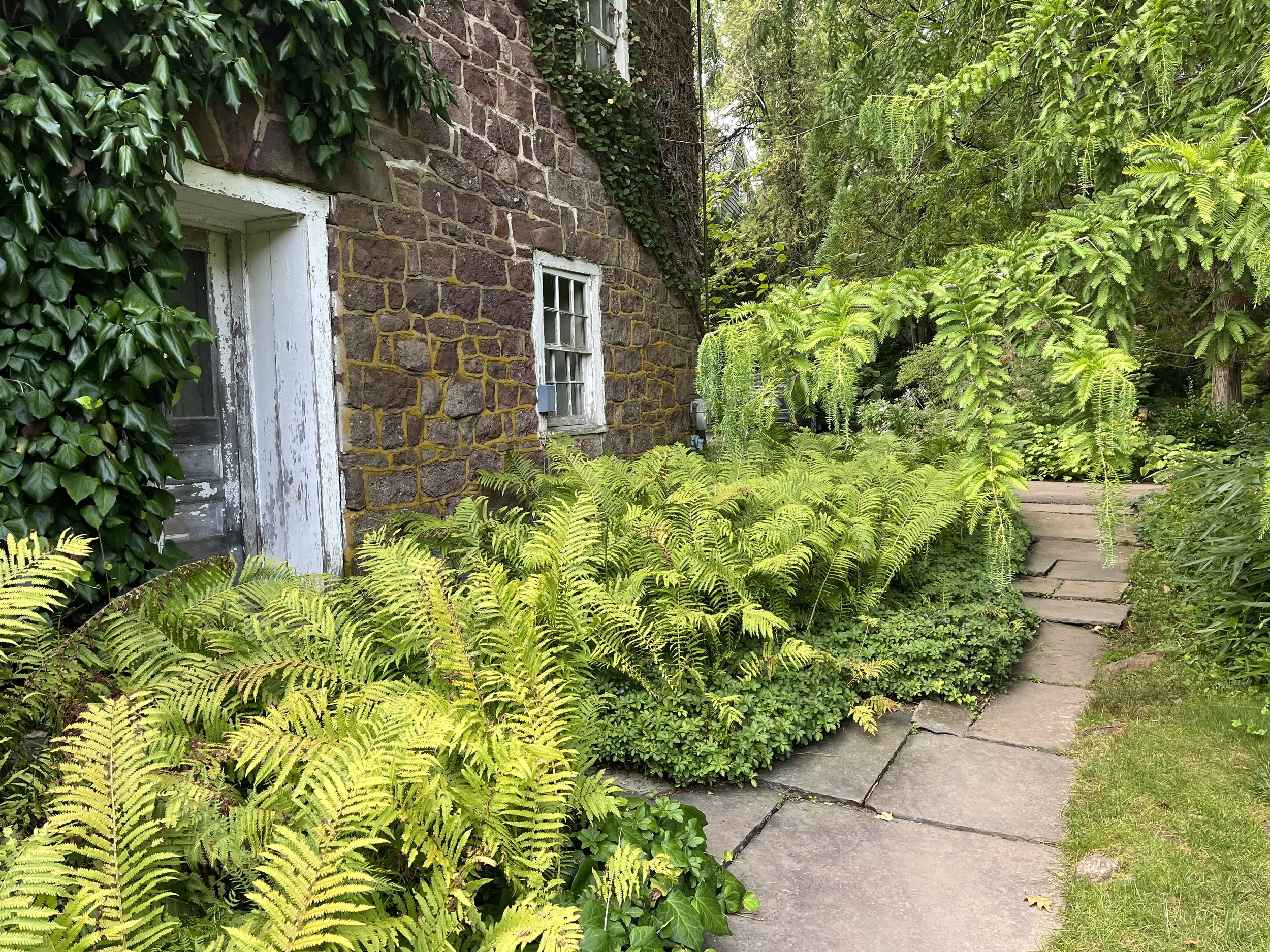
Of the many economic eras this country has experienced—Colonial, Agricultural, Industrial, Technological, and Financial—the Agricultural era left the most enduring and desirable imprint on the American landscape. The farmhouse, with its barns, hedgerows, orchards, fields, and stone walls, has come to represent an ideal that resonates deeply with many. Landscape architecture can draw upon these enduring elements, reinterpreting their rustic beauty and functional simplicity for contemporary life.
Simplicity
Changes to a landscape should be subtle, joining the site and its surroundings in harmony. One of the greatest compliments I have received went something like this: “I can’t really remember how it was before—it feels as though it was always this way.” Overbearing landscape elements can diminish the inherent beauty of a place. Restraint is key.
Natural vs. Manmade
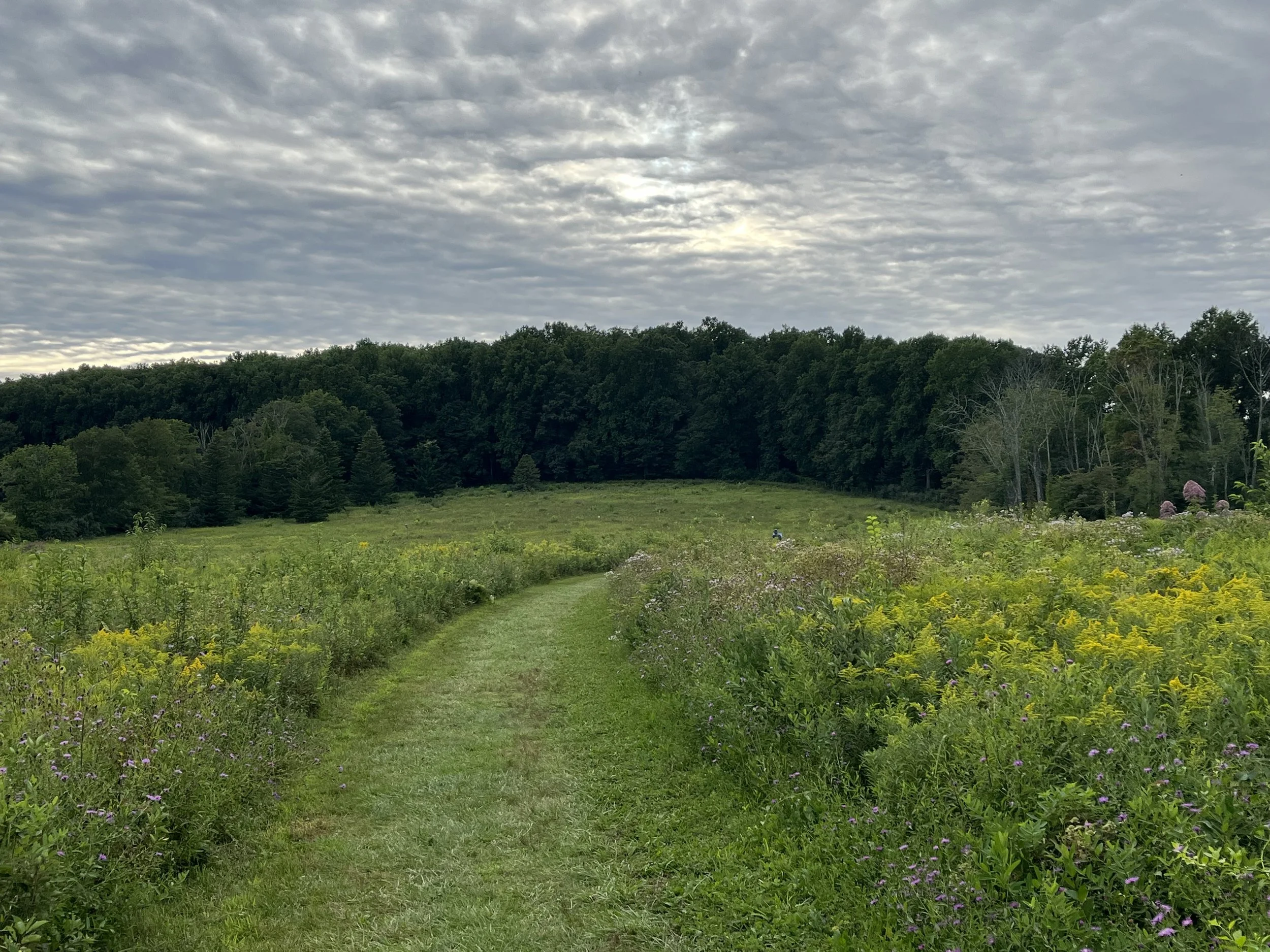
I strive to achieve a balance between land shaped for human use and land left to nature. People require organized spatial environments that are defined, functional, and maintainable. Nature thrives in settings that are less controlled—wilder, softer, and more fluid. The thoughtful juxtaposition of these hard and soft landscapes creates a relationship that is mutually beneficial.
Observations
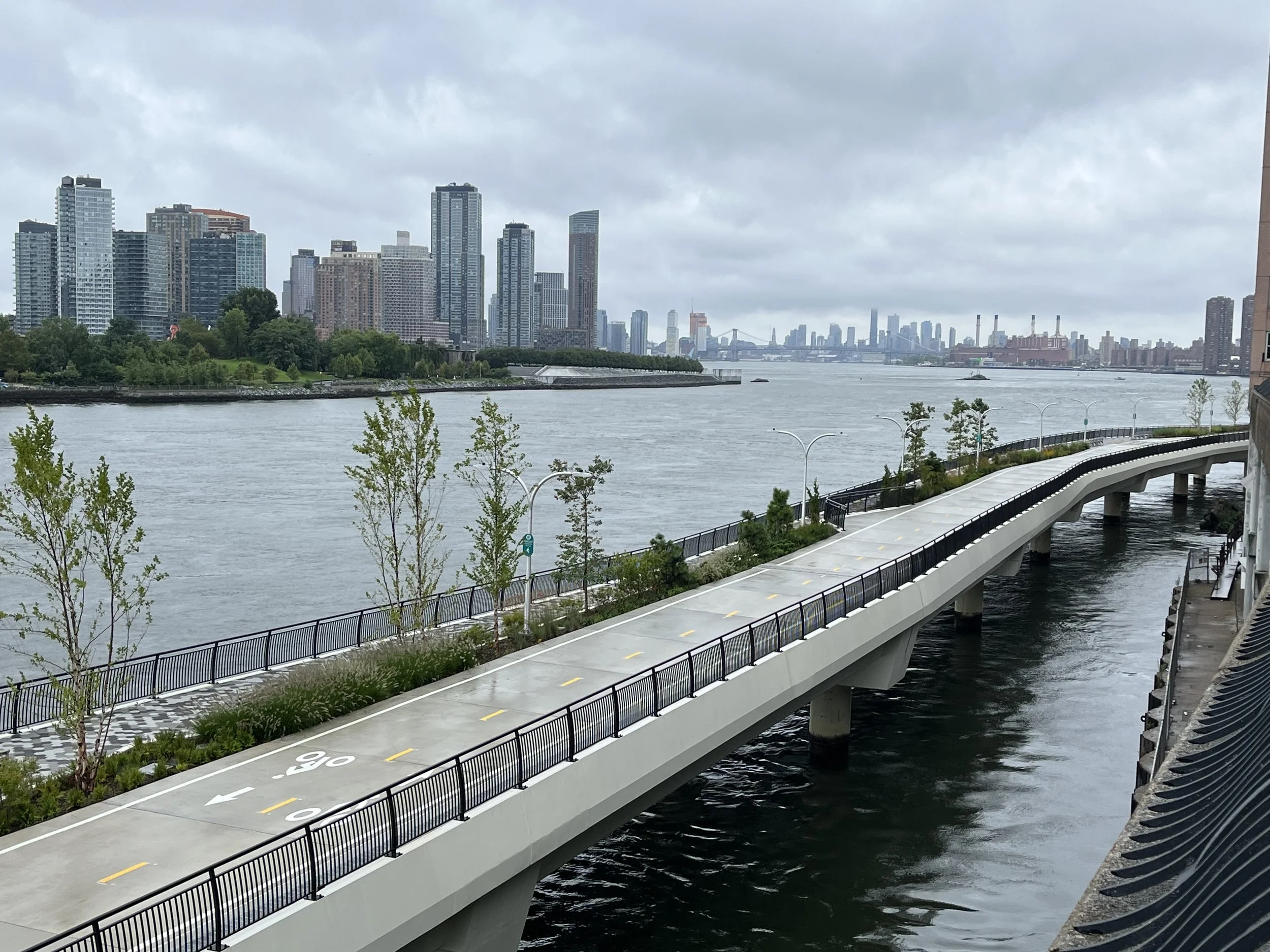
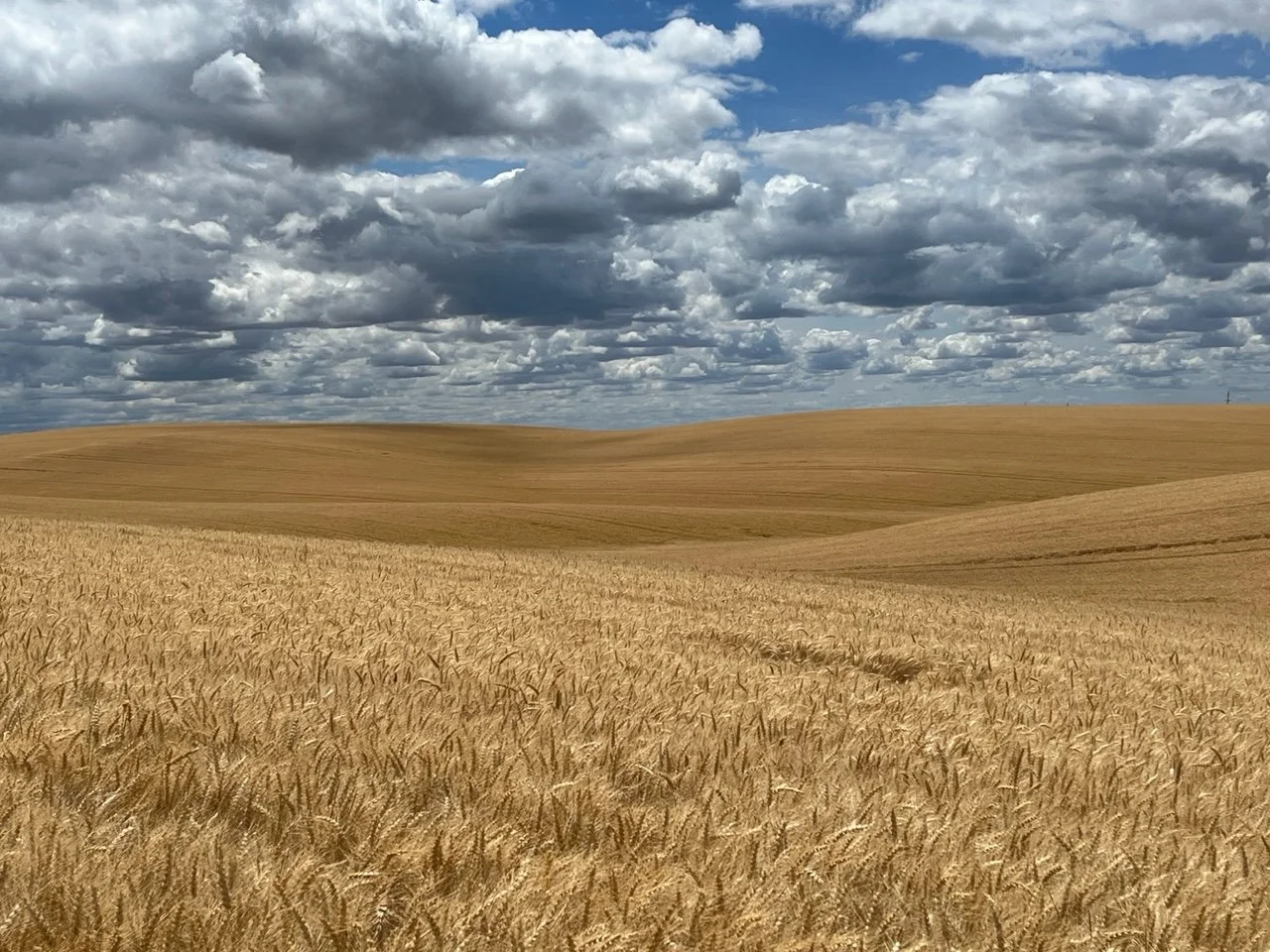
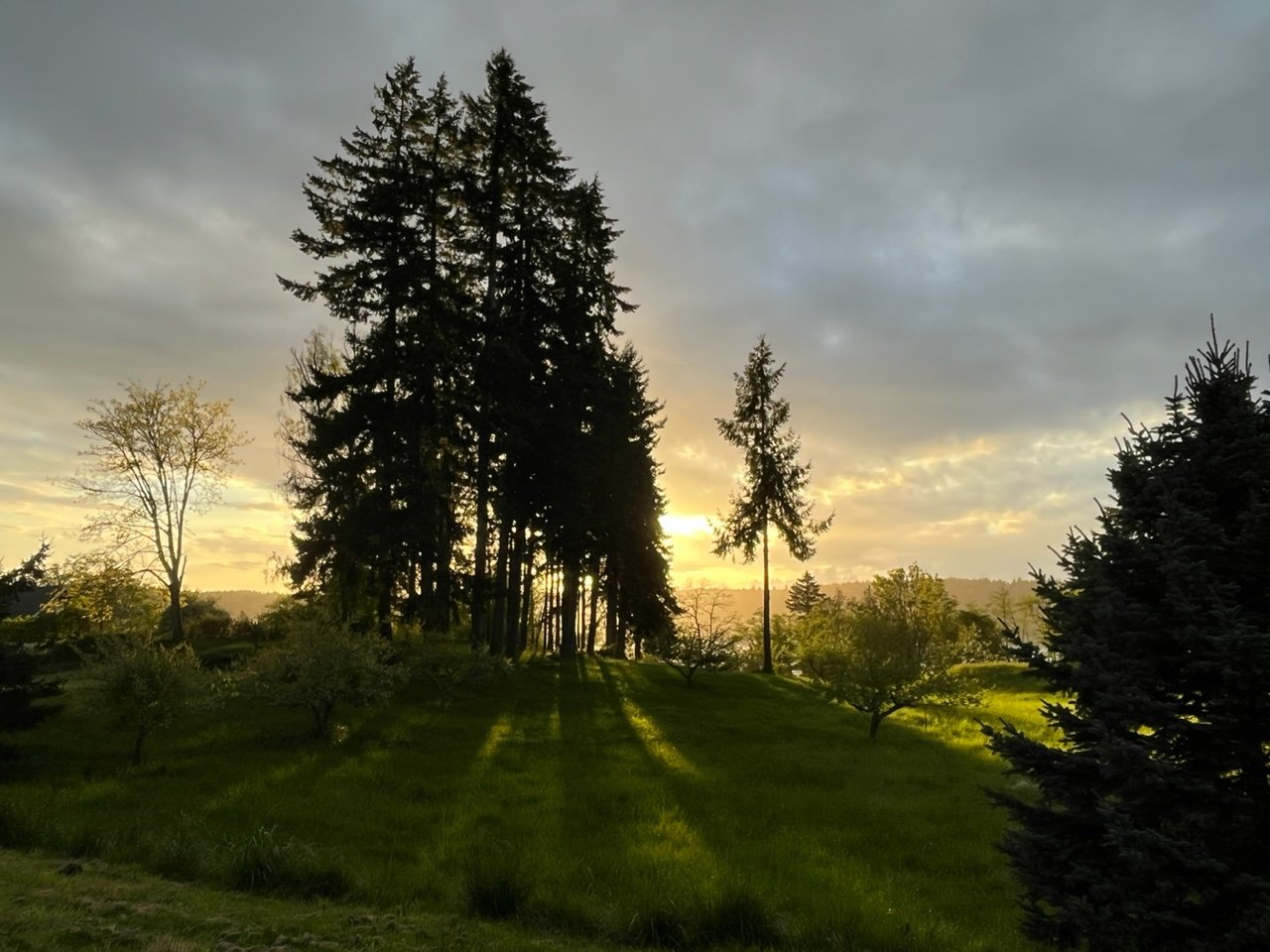
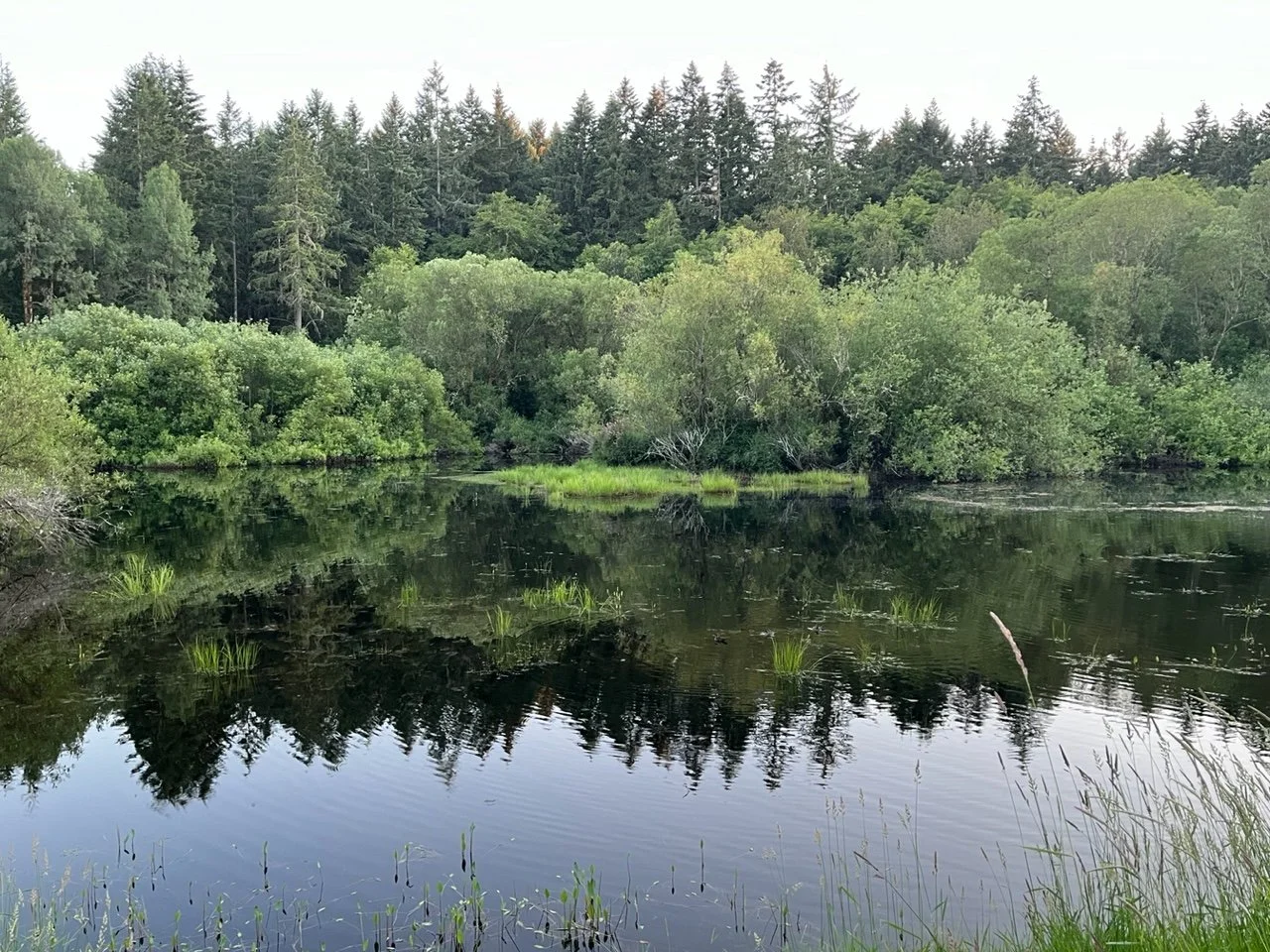
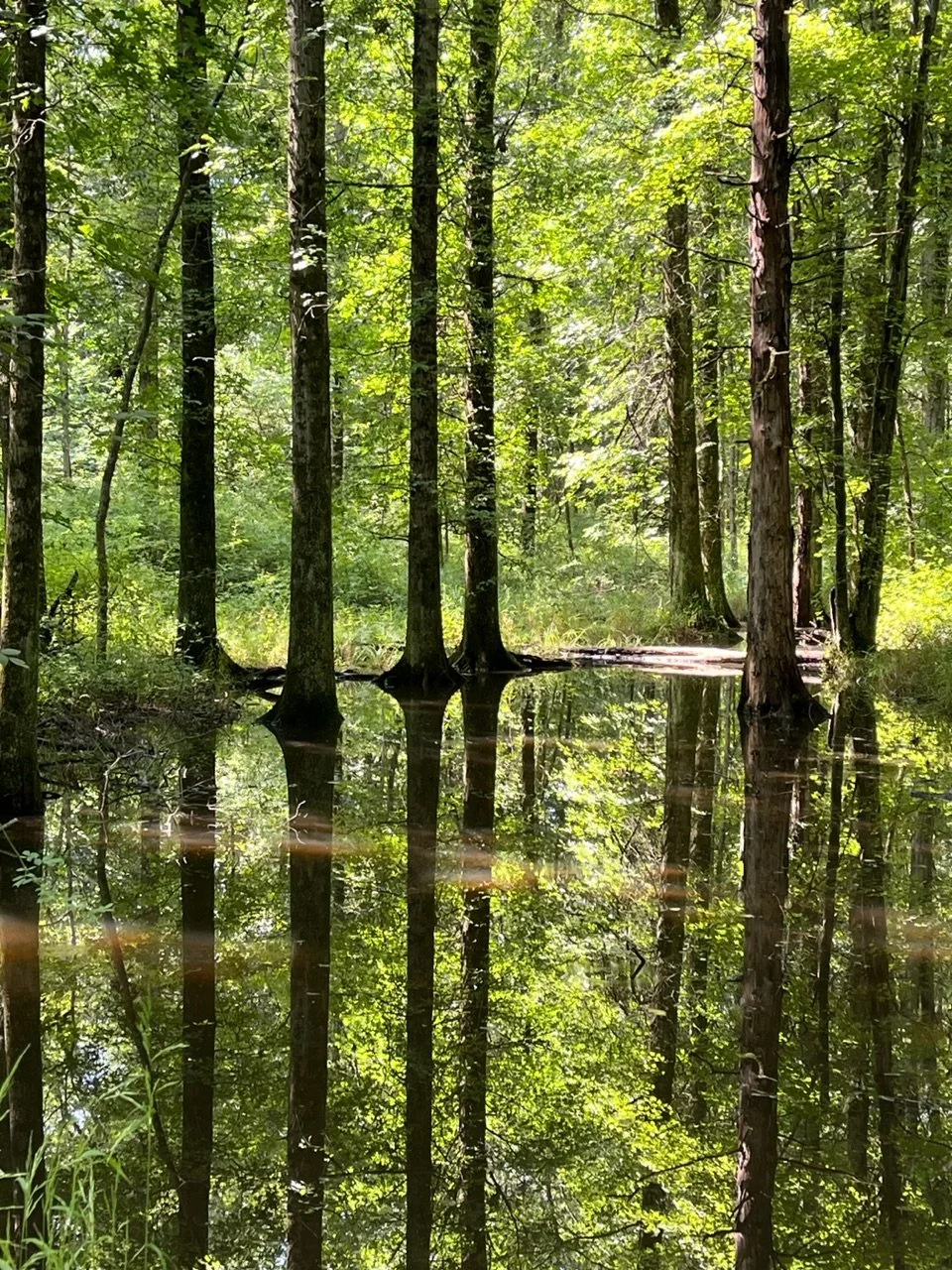
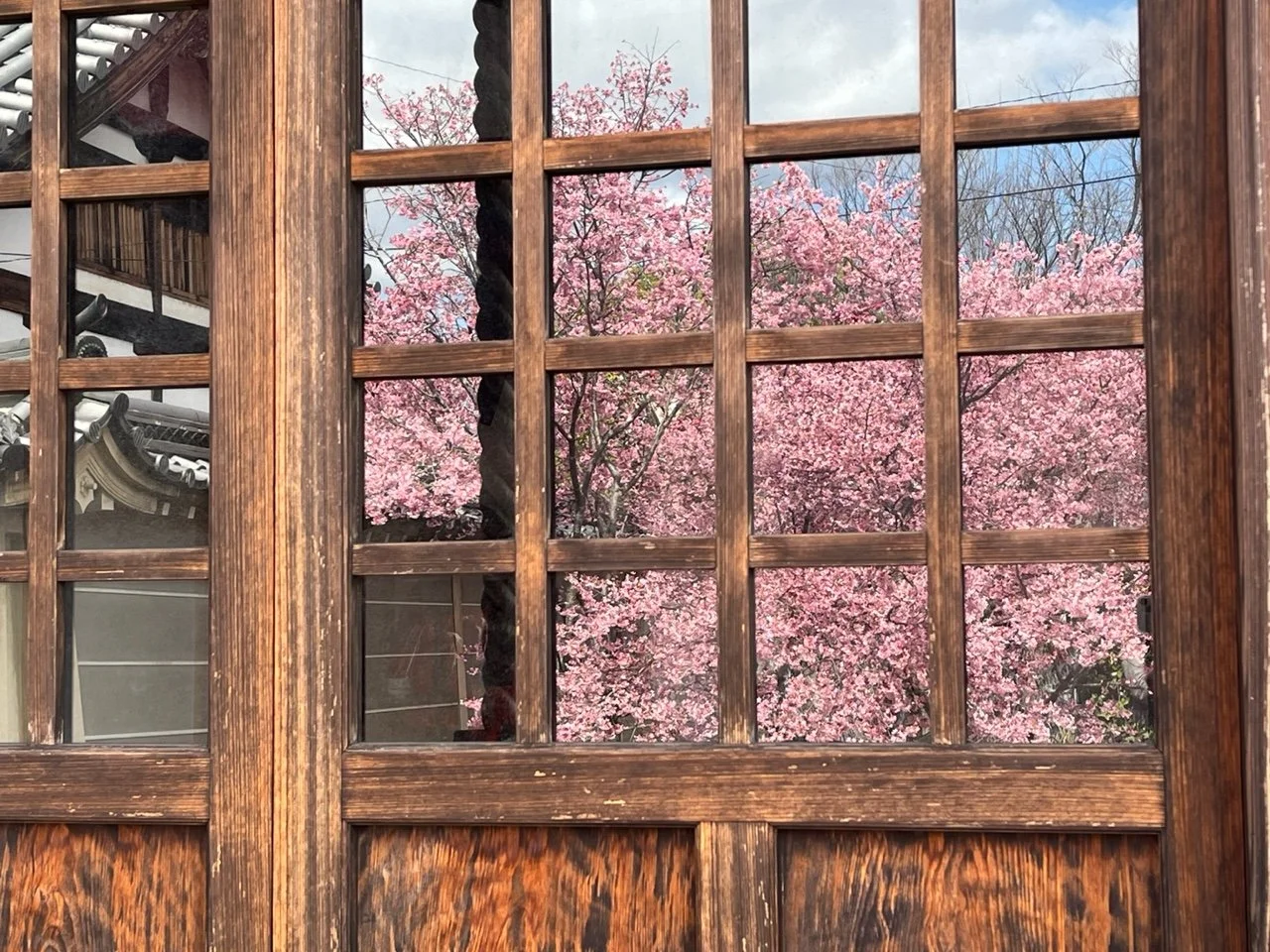
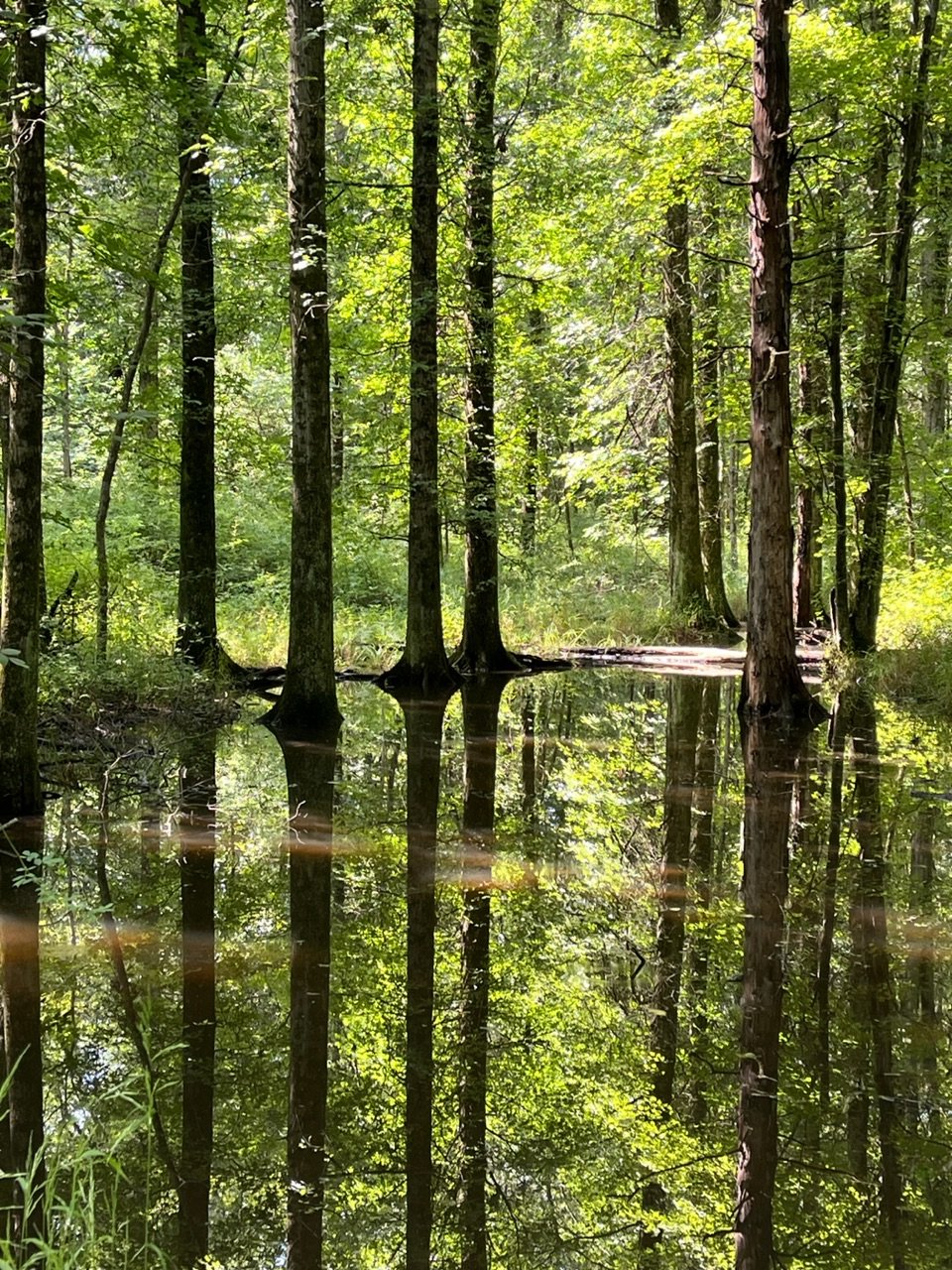
In my travels and explorations, I photograph and take notes on both natural and man-made environments, which serve as a source of inspiration and reflection.